

In the midst of our busy lives, a small garden often becomes an oasis for tranquility and relaxation. However, when time is limited and we can't attend to every corner of the garden meticulously, this oasis can become a burden: turning the soil, weeding, watering, weeding again… a series of tedious tasks follow one after another, leaving us overwhelmed and unable to enjoy the tranquility. In our busy work and lives, we often lack the time to maintain and manage our gardens. So, how can we create a beautiful yet low-maintenance garden with limited time and energy?
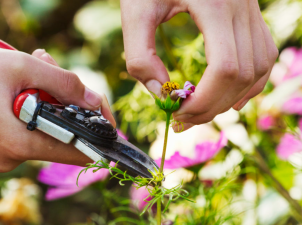
Choose Plant Varieties Suitable for Your Environment
When choosing plant varieties, the first consideration should be your growing environment, including light conditions, temperature, and humidity. Different plants have different requirements for their growing environment; choosing varieties suitable for your environment will ensure healthy growth. For example, shade-loving plants are best placed in shady areas, while sun-loving plants need ample sunlight.
Key aspects to consider when choosing plants for your garden are:
Resilience and Tolerance:
For beginners, it's recommended to start with plants that are rustic and able to tolerate minor changes in watering and climate. Succulents, geraniums, begonias, and lavender are friendly choices.
Zone and Microclimate:
Every region has a rustic area, and within your own plot, there are microclimates (windy corners, heat-reflecting walls, shady spots). Use this information to choose hardy plants based on the climate.
Ease of Maintenance:
Choose perennials that don't require constant pruning or compound fertilizers, such as daffodils and lilies.
Size and Space:
Consider the mature size of each plant. This avoids the following problem: insufficient ventilation if you consider the space they need.
Seasonality:
Spread plants out to bloom (spring, summer, fall) to maintain interest year-round.
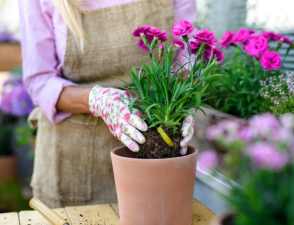
Properly Control Watering Frequency
Watering is crucial for plant growth, but many beginners easily make the mistake of "overwatering." Different plants have different water requirements, so it's necessary to control the watering frequency appropriately based on the plant's characteristics. Generally, water only when the soil surface is completely dry. At the same time, pay attention to the plant's leaves; if they start to wilt, it's time to water.
Conclusion
In your learning as a gardener, it's important to remember that making mistakes is a natural part of the process. Don't be afraid to make mistakes. Gardening beginners don't have it easy at first, but everyone goes through that. If the plants aren't growing well, or you're not caring for them properly, don't be discouraged. Use this time to learn, investigate where the problem lies, seek advice, and adjust your methods. Home gardening is an art that requires time to hone, and each season is an opportunity to apply your knowledge.